Christmas in Iceland: Meet the 13 Yule Lads (and What to Do in Reykjavík in December)

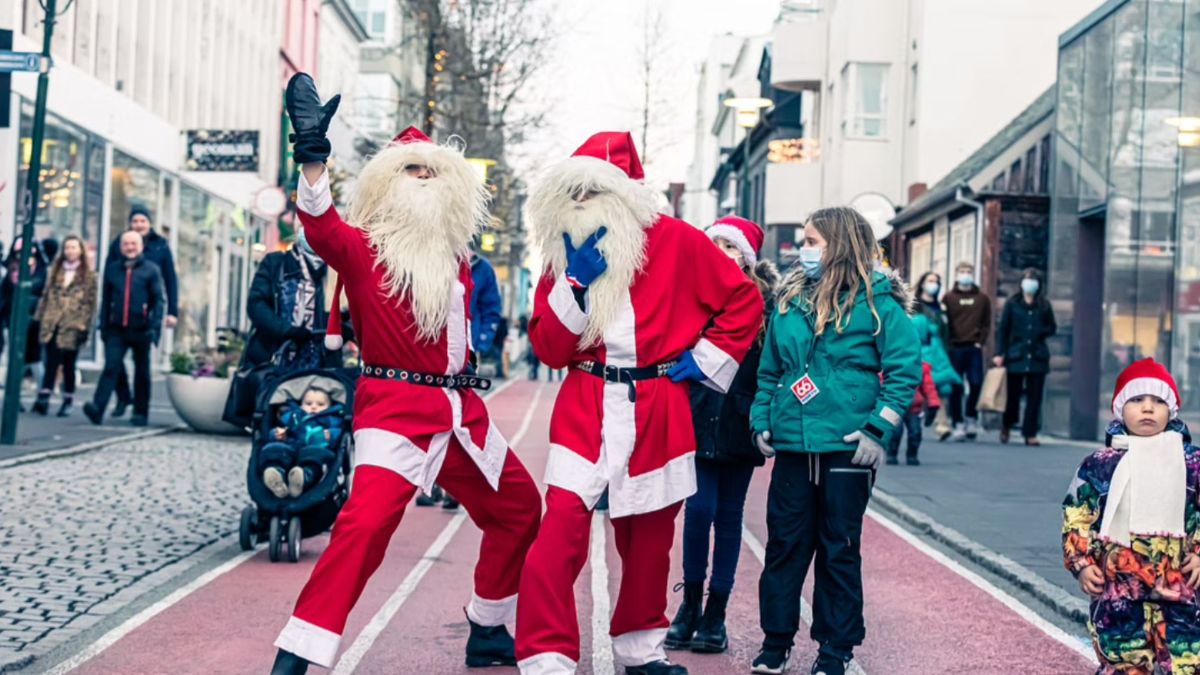
Santa-style Christmas characters walking along a Reykjavík shopping street in December

Most countries make do with one Santa. Iceland has thirteen, and none of them can be trusted around your sausages. Welcome to Christmas in Iceland, where mischievous Yule Lads come down from the mountains one by one, a giant cat prowls for people in old socks, and the whole nation celebrates by giving each other books. If you are planning a December trip, this guide introduces the folklore, the traditions and the best things to do in Reykjavík at Christmas and New Year.

Santa-style Christmas characters walking along a Reykjavík shopping street in December

Meet the 13 Yule Lads

The Yule Lads (jólasveinarnir) are the Icelandic answer to Santa Claus, except they are less jolly old gift-giver and more cheeky troublemaker. One arrives each night from 12 December, and each has a favourite way of causing chaos. The last one shows up on Christmas Eve, and then they leave again one by one, with the final Lad heading back to the mountains on 6 January. Dates and details vary a little between regions and sources, but this is the classic line-up:

  • 12 December, Stekkjarstaur (Sheep-Cote Clod): pesters the sheep, though his stiff legs make it a slow business.
  • 13 December, Giljagaur (Gully Gawk): hides in gullies and sneaks in to steal milk.
  • 14 December, Stúfur (Stubby): the shortest of the bunch, who steals pans to scrape the leftovers.
  • 15 December, Þvörusleikir (Spoon-Licker): steals wooden spoons and licks them clean.
  • 16 December, Pottaskefill (Pot-Scraper): steals pots to scrape out whatever is left inside.
  • 17 December, Askasleikir (Bowl-Licker): lurks under the bed waiting for someone to put down a bowl.
  • 18 December, Hurðaskellir (Door-Slammer): slams doors in the night, which is great news if you were hoping for a lie-in.
  • 19 December, Skyrgámur (Skyr-Gobbler): a big fan of skyr, Iceland’s thick dairy treat.
  • 20 December, Bjúgnakrækir (Sausage-Swiper): snatches sausages hanging in the rafters.
  • 21 December, Gluggagægir (Window-Peeper): peeks through windows looking for things to take.
  • 22 December, Gáttaþefur (Doorway-Sniffer): has an enormous nose and follows the smell of freshly made leaf bread.
  • 23 December, Ketkrókur (Meat-Hook): uses a long hook to fish out meat.
  • 24 December, Kertasníkir (Candle-Beggar): follows children hoping to get his hands on candles, which in the old days were a snack.

English translations of the names differ from one source to another, so you may see slightly different versions on your travels.

Grýla, Leppalúði and the Yule Cat

The Yule Lads have a family, and it is not a cosy one. Their mother is Grýla, an ogress from Icelandic folklore who, according to the old stories, makes stew out of naughty children. Their father is Leppalúði, a lazy troll who mostly stays in the cave. The family’s pet is the Yule Cat (Jólakötturinn), an enormous cat that is said to eat anyone who has not received new clothes before Christmas Eve. It is arguably the most effective fashion policy in history, and it explains why Icelanders traditionally give each other something to wear at Christmas. The old tales were a good deal scarier than the modern versions, and today the Lads are mostly treated as playful characters that children love.

Shoes in the Window

From 12 December, Icelandic children place a shoe on the windowsill each night. If they have been good, the Yule Lad of the night leaves a small gift. If they have been naughty, they wake up to a rotten potato. If you are visiting with kids, this is a charming tradition to join in with, but we recommend checking the potato supply before you leave home.

More Icelandic Christmas Traditions

  • Jólabókaflóð, the Christmas Book Flood: Icelanders love giving books at Christmas and spending the evening reading them with something sweet to eat. Bookshops are busy in December, so you can see this tradition for yourself.
  • Þorláksmessa, 23 December: the day before Christmas Eve is traditionally celebrated with kæst skata, fermented skate. It has a famously strong smell, so consider yourself warned.
  • Christmas Eve feast: families gather for a big meal, with smoked lamb (hangikjöt) as a classic dish, often served with leaf bread (laufabrauð), thin round bread cut by hand into delicate patterns and fried until crisp.
  • Christmas markets: Reykjavík and towns around the country hold markets with local crafts, woollen sweaters, hot cocoa and carols, and you may well run into a Yule Lad or two.

Christmas in Reykjavík: Lights, Lads and Hot Chocolate

Reykjavík is a great place to be in December. Despite only a few hours of daylight, the city is lit up with Christmas lights, and there is plenty to see. The best way to discover the folklore is with a local guide on the Reykjavik Christmas Walking Tour. This family-friendly 2-hour walk in December starts around Ingólfstorg Square and takes you past the Christmas tree at Austurvöllur, along Laugavegur and Skólavörðustígur, to the Little Christmas Store, and ends at Hallgrímskirkja church. Your guide tells the stories of the 13 Yule Lads, Grýla and the Christmas Cat, and the walk includes an Icelandic pastry and a warm drink. If you prefer to go at your own pace with your family or friends, there is also a Private Reykjavik Christmas Walking Tour.
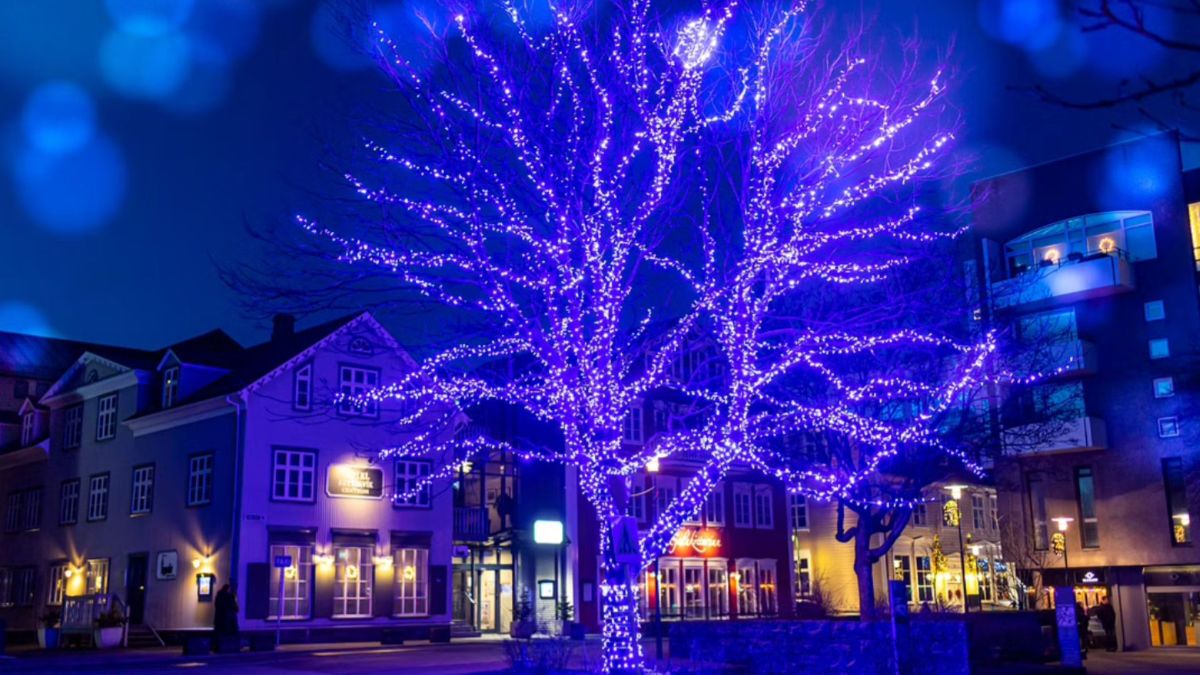
Tree lit up in blue and purple Christmas lights in Reykjavík at night

New Year’s Eve in Reykjavík

New Year’s Eve is one of the most spectacular nights of the year in the capital. There is no single official fireworks display. Instead, people all over the city launch their own, so the whole skyline becomes the show. To see it without the crowds, join the New Year’s Eve Reykjavík Cruise. It leaves from the Old Harbour at 22:30 on 31 December, returns around 00:30 and includes a welcome drink, selected drinks from the open bar, snacks, party hats and trumpets, warm overalls and blankets and a heated indoor lounge. If the sky is clear you might even spot the northern lights, although they can never be guaranteed. It is wise to book early.
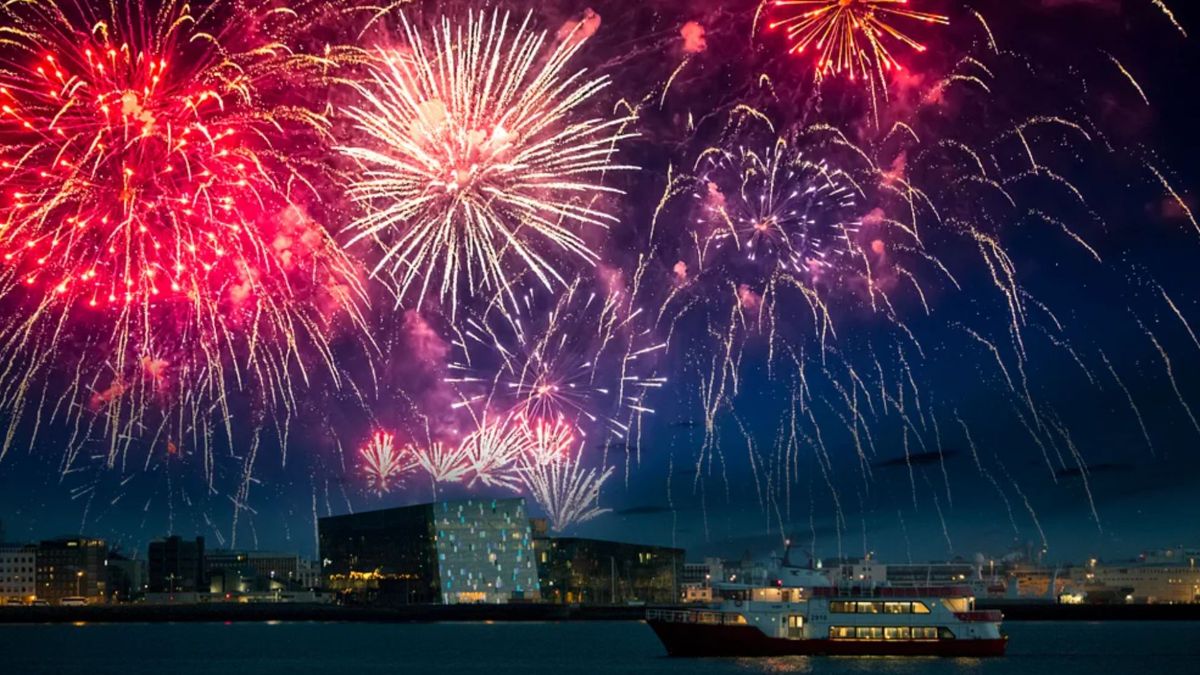
Red and pink New Year's Eve fireworks over the Reykjavík skyline

More December Adventures

Christmas week is a great time to combine folklore with a bit of adventure. Chase the aurora on a Northern Lights Small Group Tour, Northern Lights Minibus Tour or a boat tour; step inside a glacier on a Katla Ice Cave Tour from Reykjavik or a Crystal Ice Cave Tour; take in the sights on the Golden Circle & Secret Lagoon Tour; or warm up at the Blue Lagoon. On a stormy day, the Icelandic Lava Show is a fun indoor option. Our Iceland in winter guide has many more ideas, and our northern lights guide and ice cave guide will help you plan.

Tips for Visiting Iceland at Christmas

  • Expect short days. Daylight is limited in December, so plan your main activity for the middle of the day and save the evenings for the aurora, restaurants and festive lights.
  • Check opening hours. Shops, restaurants and attractions often change their hours on 24, 25 and 31 December and on 1 January, so check ahead and book tours early.
  • Drive carefully or let a guide do it. Winter roads can change quickly. Read the winter driving tips in our winter guide and our Iceland travel tips.
  • Pack warm and waterproof. Layers, good boots, hat, gloves and a swimsuit for the hot springs.

Frequently Asked Questions

Does Iceland have Santa Claus?

Not in the traditional sense. Iceland has the 13 Yule Lads, who arrive one by one from 12 December. You may also see Santa-style figures at some events, but the Lads are the local favourites.

When do the Yule Lads arrive and leave?

The first Yule Lad arrives on 12 December and the last on Christmas Eve. They then leave one by one, with the last departing on 6 January.

Is Iceland a good place to spend Christmas?

Yes, if you like cosy winter atmosphere, folklore, northern lights and quieter attractions. Days are short, so plan carefully and keep some flexibility for the weather.

What is Jólabókaflóð?

It is the “Christmas book flood”, the Icelandic tradition of giving books as Christmas gifts and spending the evening reading.

Are tours available around Christmas and New Year?

Many are, but schedules vary, so check the dates and availability on each tour page before you book.

Ready to Plan Your Icelandic Christmas?

Browse all of our Iceland tours, check live availability and book online, or contact our team at info@iat.is if you would like help planning your December trip.

Iceland in Winter: What to Do from November to March

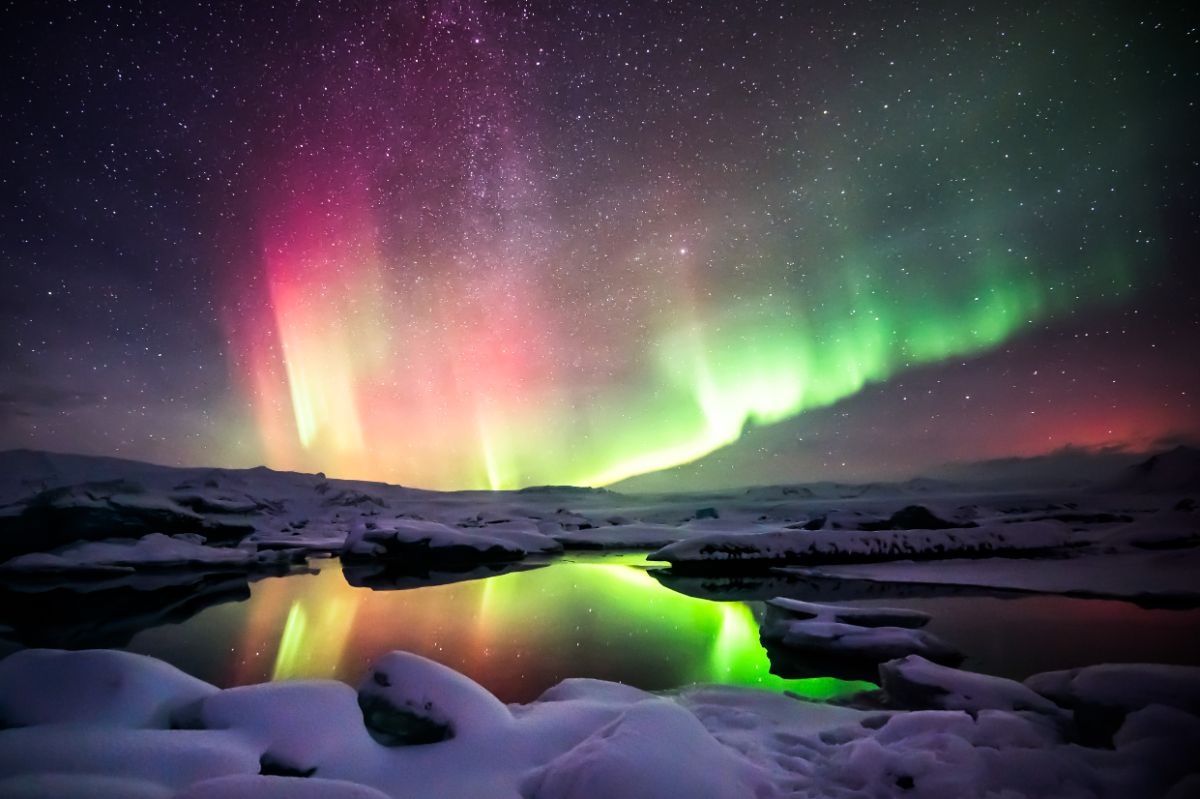
Northern lights glowing green and pink over a snowy lagoon in Iceland

Iceland in winter is a different country from the one you see in summer postcards. The days are short, the landscape is dusted with snow, the northern lights dance over the countryside, and the glaciers open their blue ice caves to visitors. If you are wondering what to do in Iceland between November and March, this guide covers the best experiences, how much daylight to expect, and how to travel safely, with tours you can book from Reykjavík and around the country.

Northern lights glowing green and pink over a snowy lagoon in Iceland

Why Visit Iceland in Winter?

Winter is the season for things you simply cannot do in summer: chasing the aurora on a dark night, walking inside a natural ice cave, soaking in a steaming hot spring while snow falls around you. Crowds are smaller at the famous sights, and a day trip along the Golden Circle or the South Coast feels quieter and more atmospheric. Tour programmes are adjusted to the conditions, so winter travel works best when you let a local guide handle the driving and the weather decisions.

Daylight in Winter: Plan Your Days

The biggest practical difference is the short daylight. Approximate daylight in Reykjavík:

  • November: about 5–7 hours
  • December: about 4–5 hours (the darkest month)
  • January: about 4–6 hours
  • February: about 7–10 hours
  • March: about 10–13 hours by the end of the month

Plan one or two main activities per day and start early. Many guided tours are timed to make the most of the light, and the long evenings are perfect for northern lights tours and hot springs.

Northern Lights Tours

The northern lights season runs roughly from late August to April, and the dark winter nights give you the most chances to see them. Nobody can promise the aurora, because it depends on solar activity and clear skies, so it is wise to book early in your trip and keep a spare evening in case of cloud. Our month-by-month northern lights guide explains how it works.

Ways to go hunting:

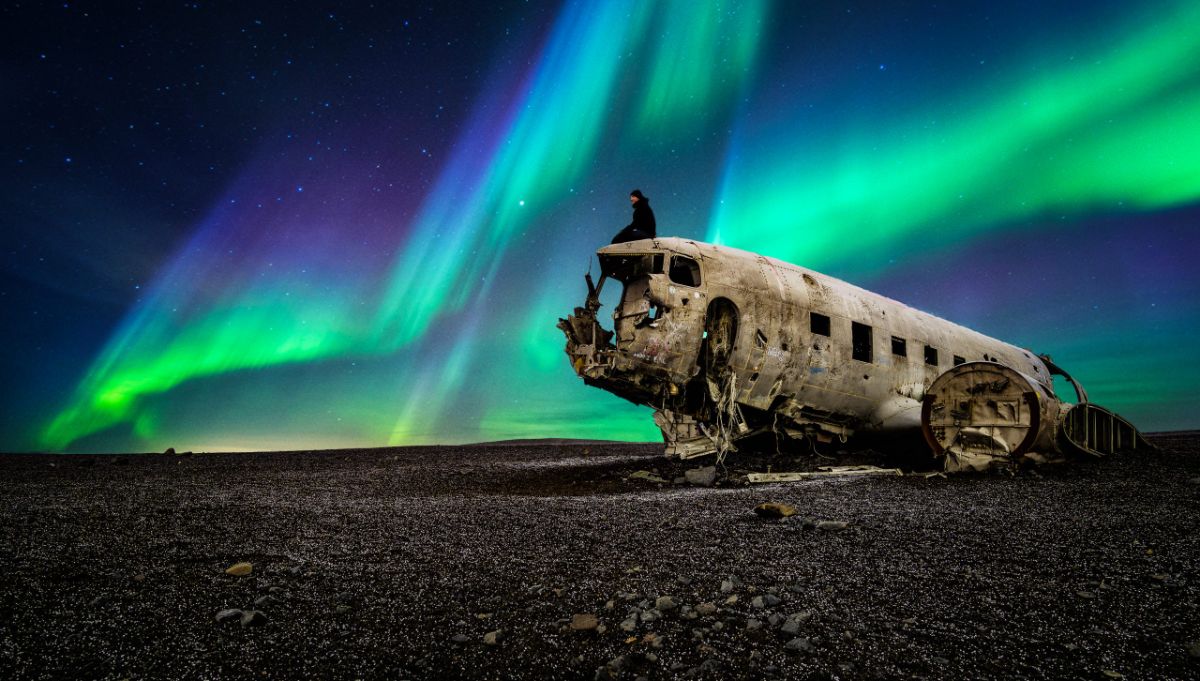
Green northern lights above the DC-3 plane wreck on the black sand of Sólheimasandur, Iceland

Ice Caves and Glacier Adventures

Winter is ice cave season. Natural caves in the Vatnajökull glacier near Skaftafell and Jökulsárlón are typically open from autumn to spring, while the Katla ice cave near Vík can be visited year-round. For a full breakdown of locations, safety and what to wear, read our ice cave and glacier tours guide.

Always check the minimum age on each tour page, as it varies between tours.

Natural blue ice formations inside an Icelandic glacier ice cave

Hot Springs and Geothermal Baths

Few things say “Iceland in winter” like sitting in warm water while the air is freezing. Reykjavík and the surrounding areas have baths for every taste:

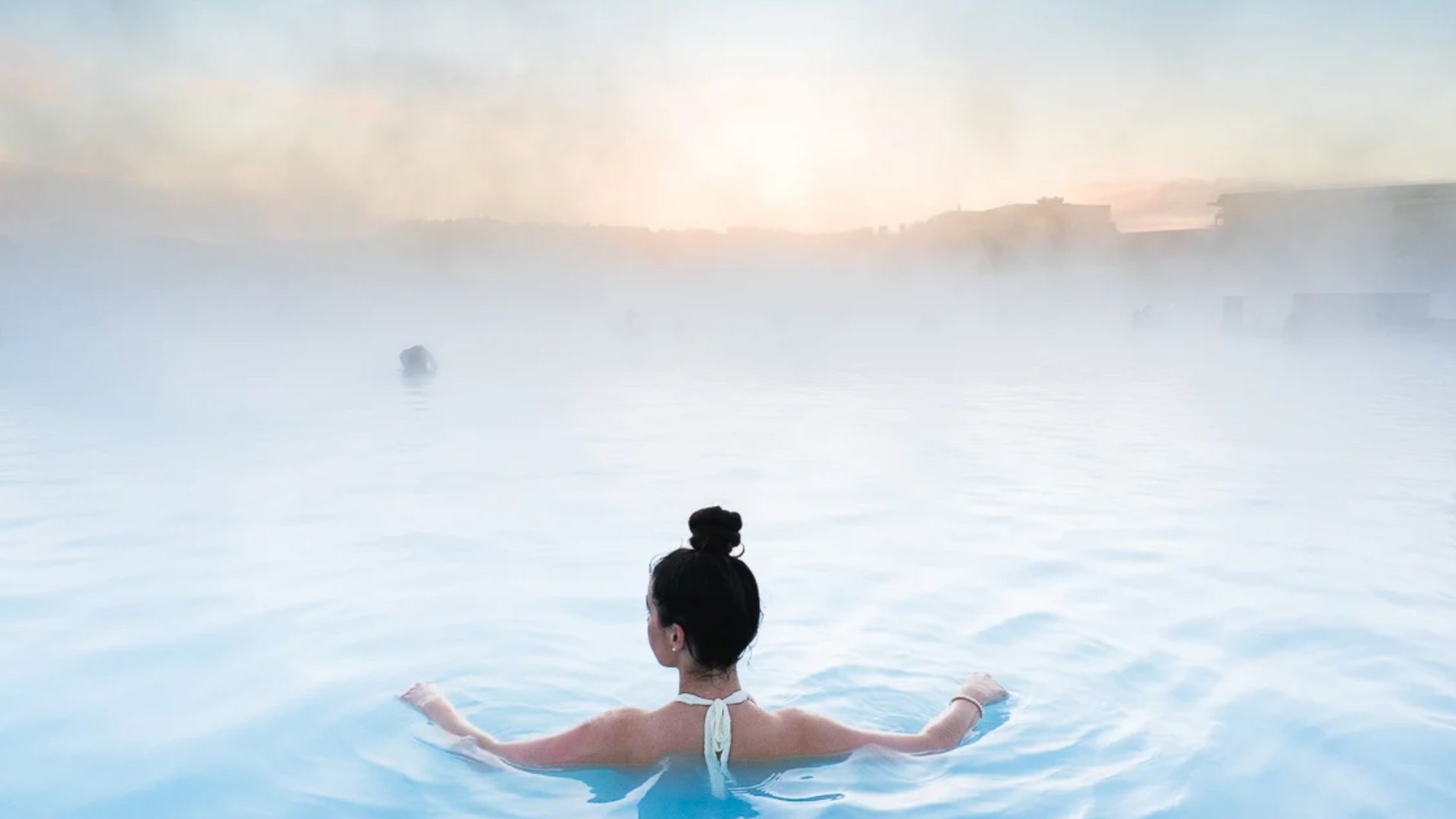
A woman relaxing in the steaming milky blue water of a geothermal lagoon in Iceland

The Golden Circle and South Coast in Winter

Both classic routes are open all year. In winter the waterfalls can be framed by ice and the black sand beaches look even more dramatic when snow lies on the ground. Read our complete guides to the Golden Circle and the South Coast, then pick a tour such as the Golden Circle & Secret Lagoon Tour or the South Coast Small Group Tour. Guides adjust the schedule to road and weather conditions, which is one of the big advantages of booking a tour in winter.

Things to Do in Reykjavík on Short Days

When the weather turns, the capital has plenty to offer indoors: the Icelandic Lava Show, the Perlan museum with its indoor ice cave, and guided food and culture walks. In December the Reykjavik Christmas Walking Tour brings Icelandic Yule traditions to life, and on New Year’s Eve you can join the New Year’s Eve celebration at sea.

Winter Driving and Safety

If you plan to drive yourself, treat winter roads seriously. Check road.is (or call 1777) for road conditions and closures, vedur.is for weather and wind, and safetravel.is for travel alerts. Rent a 4×4 with winter tyres, fill the tank before leaving town, keep your headlights on, and slow down. Stay on marked roads, never drive off-road, and obey closure signs. In an emergency call 112. Many visitors find that guided tours take most of the stress out of winter travel. For more general advice read our Iceland travel tips.

What to Pack for Winter in Iceland

  • Warm layers: thermal base layer, fleece or wool, and a windproof, waterproof outer jacket and trousers
  • Waterproof, sturdy boots with good grip, and warm socks
  • Hat, gloves and a scarf or buff
  • A swimsuit for the hot springs
  • A fully charged phone and a power bank, since batteries drain faster in the cold

Frequently Asked Questions

Is winter a good time to visit Iceland?

Yes, if you want northern lights, ice caves and fewer crowds. Expect short days, changeable weather and the occasional schedule change, and plan flexible time in your itinerary.

Can I see the northern lights in winter?

Winter nights are the best time to try, but sightings are never guaranteed. Book a tour early in your stay so you have spare evenings if the sky is cloudy.

Will tours run in bad weather?

Safety comes first. If conditions are unsafe, a tour may be rescheduled or cancelled. Check the details and cancellation terms on the tour page before you book, or ask our team at info@iat.is.

Which winter month is best?

There is no single best month. November to January gives you the longest dark nights for the aurora but the shortest days, while February and March offer more daylight and still plenty of dark evenings. Choose based on what you most want to see.

Are winter tours suitable for children?

Many are, but age limits vary by tour, so check the minimum age on each tour page.

Ready to Plan Your Winter Trip?

Browse all of our Iceland tours, book online with live availability, or contact our team at info@iat.is if you need help choosing the right winter experiences.

Iceland Ice Caves & Glacier Tours: Where to Go, When & What to Expect

Natural blue ice formations inside an Icelandic glacier ice cave

Walking inside a glacier is one of those things you can only really do in a handful of places on Earth, and Iceland makes it surprisingly easy. Whether you want to step into a glowing blue ice cave, hike across a glacier tongue with crampons on your boots, or race across the ice on a snowmobile, there is a tour that fits. This guide explains the different options, when each one runs, and what to know before you book.

Natural blue ice formations inside an Icelandic glacier ice cave

Ice Cave or Glacier Hike: What’s the Difference?

People often use the two words interchangeably, but they are different experiences:

  • Ice cave tours take you inside a glacier, through passages carved by meltwater, to see the translucent blue walls up close. Most are short, gentle walks once you reach the cave entrance.
  • Glacier hikes take place on top of the ice. You wear crampons, follow a guide across the glacier surface, and see crevasses, ridges, meltwater channels and views down the valley.
  • Glacier adventures add a vehicle or an activity: a snowmobile ride, a Monster Truck up a glacier, kayaking among icebergs, or ice climbing.

When Can You Visit an Ice Cave in Iceland?

This is the question we get most, and the answer depends on which cave:

  • Natural ice caves in Vatnajökull (reached from Jökulsárlón and Skaftafell) are a cold-season experience. They form when meltwater carves passages through the ice, and they can only be visited when conditions are cold and stable enough to be safe. The tours typically run from October to April, and the exact dates depend on the glacier. The caves change every year, so no two seasons look the same, and your guide decides on the day which cave is safe to visit.
  • The Katla ice cave in Mýrdalsjökull, reached from Vík on the South Coast, is available year-round, which makes it the go-to option if you are visiting outside the cold season.
  • Langjökull, Iceland’s second-largest glacier, can be visited all year on the Into the Glacier tours from Húsafell and from Reykjavík. If you would rather see a natural ice cave on Langjökull, the tour from Gullfoss runs from November to mid-April.

If you are travelling in the colder months and want the most classic “crystal blue” look, a Vatnajökull ice cave is hard to beat. In summer, choose Katla or Into the Glacier on Langjökull.

Travelers walking across an Icelandic glacier with a professional glacier guide

Ice Cave Tours by Region

Vatnajökull: Jökulsárlón and Skaftafell (autumn to spring)

Vatnajökull is Europe’s largest glacier by volume, and its southern outlets are where the natural ice caves form each cold season. Tours depart from the Jökulsárlón area and from Skaftafell, last roughly 2.5 to 4 hours, and are rated easy. You travel to the glacier by Super Jeep or 4×4 and then walk to the cave with your guide. Options include the Crystal Ice Cave tour from Jökulsárlón and the Skaftafell Ice Cave tour with a glacier hike.

Katla Ice Cave, Vík (year-round)

Beneath Mýrdalsjökull, the glacier that covers the Katla volcano, the Katla ice cave is reached by Super Jeep from Vík. It is the most flexible option for timing, and it pairs naturally with a South Coast day. Choose between the quick Fast Track Ice Cave Tour from Vík (2 to 3 hours, suitable for ages 6 and up), the 4-hour Katla Ice Cave drone tour, a private Katla ice cave tour for your own group, or a full-day South Coast and Katla Ice Cave Super Jeep tour from Reykjavík.

Langjökull, Gullfoss and Húsafell

If you are travelling the Golden Circle, Langjökull is the easiest glacier to add. Tours take you up onto the ice in a specialised glacier vehicle. Try the Langjökull ice cave tour from Gullfoss by Monster Truck, Into the Glacier from Húsafell, or a full day combining it with the Golden Circle: Golden Circle & Ice Cave Tour from Reykjavík or Into the Glacier from Reykjavík. These are rated very easy, so they suit families and anyone who would rather not hike. Note that some of these tours are seasonal, so check the dates on each tour page.

Glacier Hikes: Where to Walk on the Ice

You do not need to visit in winter to walk on a glacier. Most glacier hikes run all year and are some of the most rewarding half-day outings in Iceland.

Travelers standing in front of Sólheimajökull Glacier in South Iceland

Planning a day trip? Our guides to the South Coast and the Golden Circle show how to combine a glacier with the classic stops.

What to Wear and Bring

Weather on a glacier can be colder and windier than where you started, even in summer. Dress in layers:

  • Warm base layers and a fleece or wool mid-layer
  • A waterproof, windproof jacket and trousers
  • Sturdy hiking boots with ankle support (crampons need a firm sole; trainers are not suitable)
  • Warm hat, gloves, and sunglasses for the glare off the ice
  • A small backpack with water and a snack

Specialised gear such as helmets and crampons is provided by the tour operator on guided glacier trips, but each tour page lists exactly what is included, so check before you go.

Safety: Why You Should Never Visit Ice Caves on Your Own

Glaciers are living, moving things. Ice caves can collapse, meltwater can undercut ledges, and crevasses are often hidden beneath snow. For that reason, entering an ice cave or going out on a glacier without a certified guide is genuinely dangerous. Guided tours check conditions each day, choose a safe cave or route, and will change or cancel the plan if conditions are not right. If your tour is rescheduled for safety reasons, that is the system working as intended.

Sólheimajökull Glacier on Iceland’s South Coast

Frequently Asked Questions

Can I see an ice cave in summer?

Yes, but only certain ones. The natural caves in Vatnajökull are a cold-season experience, while the Katla ice cave from Vík and the Into the Glacier tours on Langjökull run all year.

What is the best month for an ice cave tour?

For natural Vatnajökull ice caves, January and February usually have the most stable conditions. For other times of year, book Katla or Into the Glacier.

Do I need hiking experience?

No. Most ice cave tours are rated easy or very easy, and most glacier hikes are suitable for beginners with normal fitness, although longer ones such as Glacier Exploration are more demanding. Your guide sets the pace and shows you how to use crampons.

Are ice cave tours suitable for children?

Many are, but minimum ages vary by tour, from 4 on the Langjökull Monster Truck tours to 12 or older on the more active hikes. The Langjökull tours are rated very easy. Always check the minimum age and difficulty on the tour page before booking.

Will my tour run if the weather is bad?

Tours depend on daily conditions. If a tour cannot run safely, the operator will let you know, and the cancellation terms on each tour page explain what happens next.

Can I combine a glacier with other sights?

Absolutely. A glacier or ice cave pairs well with the South Coast waterfalls and black sand beach, the Golden Circle, or the Jökulsárlón glacier lagoon, and several of our tours bundle them already.

Ready to Step Onto the Ice?

If you would rather leave the planning to us, here are some of our most popular glacier and ice cave tours from trusted local partners:

Not sure which one to pick? Send us a message and we will help you choose.

Iceland Travel Tips: What to Know Before You Go (and While You’re There)

Icebergs floating across Jökulsárlón Glacier Lagoon in Southeast Iceland

Iceland rewards a little preparation. The weather can change in an hour, cards work almost everywhere but cash barely exists, and a few local customs — showering before you swim, for one — catch first-time visitors off guard every year. Here’s what’s actually useful to know before you land — and while you’re driving, hiking, and soaking your way around the country.

Jökulsárlón Glacier Lagoon in Iceland

Before You Go

Pick Your Season First

What you want to see should decide when you come. Winter (roughly November–March) has the dark skies for the Northern Lights and far fewer crowds, but short daylight hours and winter driving conditions. Summer (June–August) has near-endless daylight, every road open, and the busiest crowds and highest prices. Spring and autumn split the difference — decent daylight, thinner crowds, lower prices, and still a shot at the aurora in the shoulder months.

Pack in Layers, Not for One Season

Icelandic weather can run through sun, wind, and rain in the same afternoon, any month of the year. A waterproof, windproof outer layer matters more than how heavy your coat is. Bring waterproof shoes or hiking boots, a warm hat and gloves even in summer, and a swimsuit — you’ll want it for the pools and hot springs no matter when you visit.

Cards Work Almost Everywhere

Iceland is about as close to a cashless society as it gets. Credit and debit cards are accepted at nearly every café, gas station, and even some public restrooms and parking machines — carrying Icelandic króna isn’t really necessary. Just let your bank know you’re traveling, and consider a card with no foreign transaction fees.

Get a SIM or eSIM

Mobile coverage is strong along the Ring Road and in all towns, patchier in the highlands and remote fjords. A local prepaid SIM or an eSIM activated before you land will get you data for maps and road condition checks, both of which you’ll want more than you expect.

Getting Around

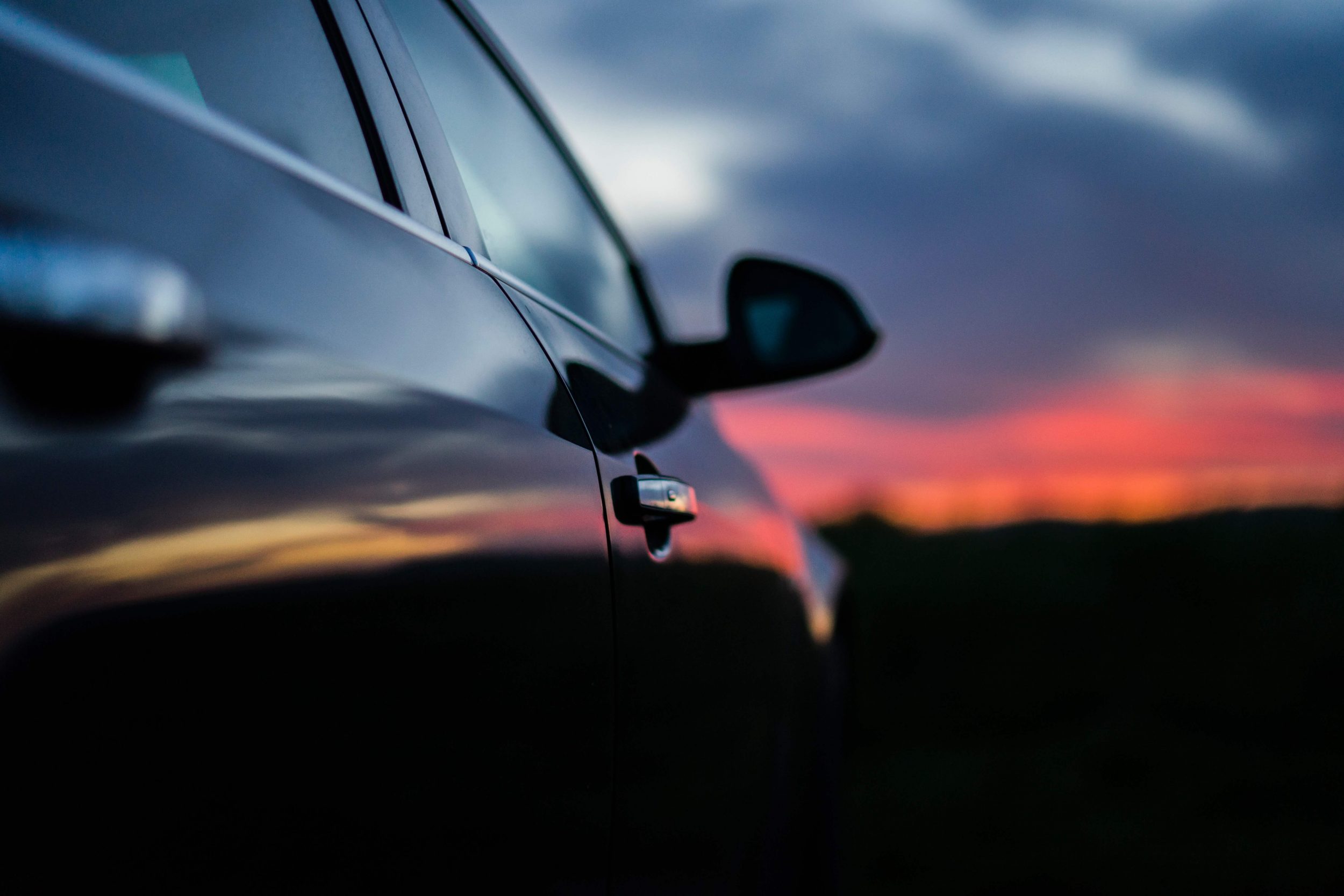
Car on a road in Iceland at sunset

The Ring Road (Route 1) circles the whole country and is paved and well-maintained, making self-driving straightforward for most of the year. The “F-roads” into the highlands are a different story — unpaved, often with unbridged river crossings, open only in summer, and legally restricted to 4×4 vehicles.

Check road.is for real-time road conditions and safetravel.is for weather and travel alerts before heading out each day — conditions can shift quickly, especially outside summer. If a day looks rough for self-driving, a guided tour takes that decision off your plate entirely.

Local Customs Worth Knowing

Shower Before You Swim

This is the one that surprises almost every first-time visitor: Icelandic law requires a thorough, soap-and-water shower, without a swimsuit, before entering any public pool or hot spring. Staff do check. It’s taken seriously because it keeps the geothermal water clean without needing much chlorine — once you’re used to it, it’s no big deal.

Tipping Isn’t Expected

Service charges are built into prices at restaurants, bars, and for tour guides and drivers. Tipping isn’t part of the culture and nobody will expect it — though rounding up or leaving a little extra for exceptional service is always appreciated, never required.

Tap Water Is Excellent

Icelandic tap water is some of the cleanest in the world, straight from glacial springs — bring a reusable bottle and skip the bottled water entirely. Cold tap water is great; hot tap water in some areas smells faintly of sulfur (it’s geothermal, not plumbing trouble) but is perfectly safe.

Staying Safe

Iceland is a very safe country, but its nature deserves real respect. A few rules are worth keeping in mind everywhere you go, not just at famous spots like Reynisfjara: never turn your back on the ocean on any black sand beach, stay on marked paths around geothermal areas (the ground can be thin over boiling water), and don’t climb on glaciers or ice caves without a guide. Check safetravel.is before any day involving hiking, glaciers, or remote driving, and consider registering your travel plan there for free.

Frequently Asked Questions

Do I need an international driver’s license?

No — a valid driver’s license from your home country is enough for short-term visitors, as long as it’s in the Latin alphabet (otherwise an International Driving Permit is recommended alongside it).

Is English widely spoken?

Yes. English is spoken fluently almost everywhere, from Reykjavík to small towns along the Ring Road. Icelandic is the official language, but you won’t need it to get around.

How many days do I need?

A week gives you a comfortable first visit — the Golden Circle, South Coast, and a couple of relaxed days around Reykjavík. Four to five days is doable if you focus on just one or two regions rather than trying to circle the whole country, and a 6-day trip lets you circle more of the Ring Road.

Is it expensive?

Iceland is genuinely one of the more expensive countries to visit, particularly for food and accommodation. Self-catering where you can, traveling in the shoulder season, and booking tours rather than renting specialized gear yourself all help keep costs down.

Ready to Start Planning?

If you’d rather spend your time in Iceland than researching logistics, we offer a wide range of guided tours from our trusted local partners that take care of the driving, timing, and safety calls for you.

Golden Circle & South Coast:

Ice, Glaciers & Hot Water:

Wildlife, Culture & Beyond Reykjavík:

Multi-Day:

All depart from Reykjavík with small groups and an experienced local guide who knows exactly what the roads and weather are doing that day.