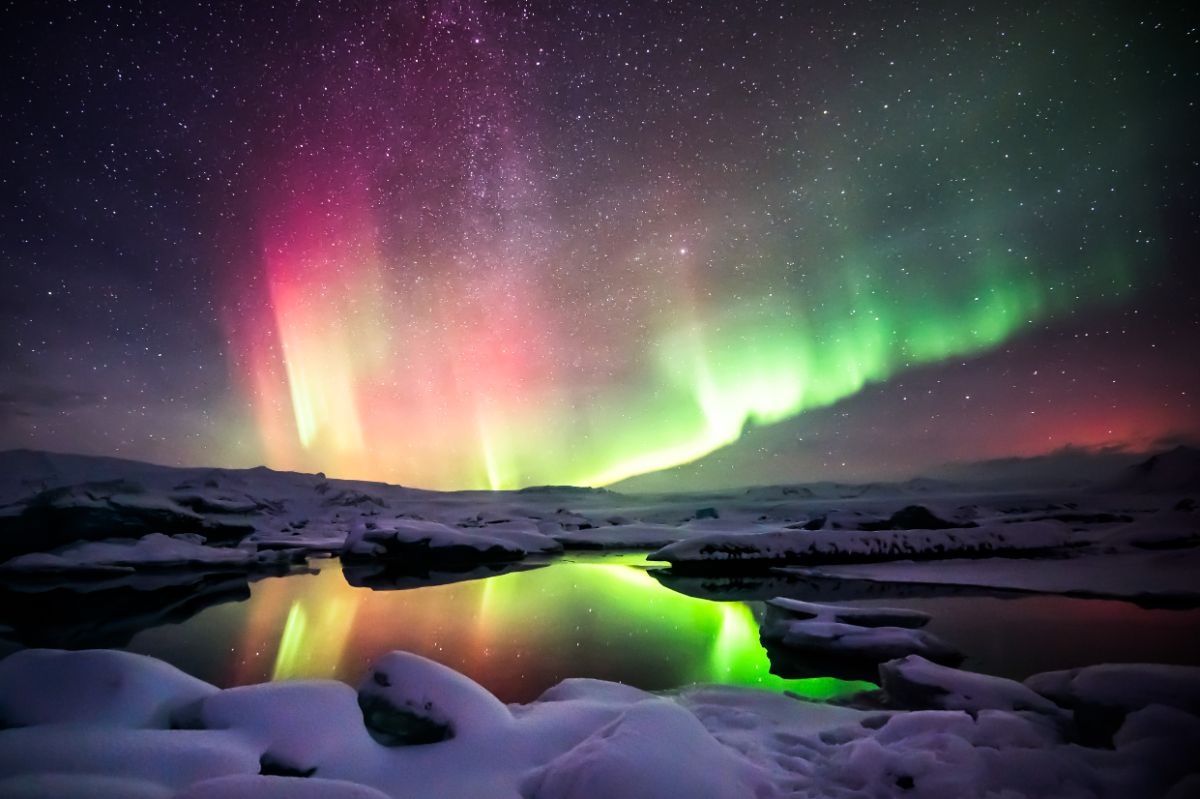
Iceland in winter is a different country from the one you see in summer postcards. The days are short, the landscape is dusted with snow, the northern lights dance over the countryside, and the glaciers open their blue ice caves to visitors. If you are wondering what to do in Iceland between November and March, this guide covers the best experiences, how much daylight to expect, and how to travel safely, with tours you can book from Reykjavík and around the country.
Why Visit Iceland in Winter?
Winter is the season for things you simply cannot do in summer: chasing the aurora on a dark night, walking inside a natural ice cave, soaking in a steaming hot spring while snow falls around you. Crowds are smaller at the famous sights, and a day trip along the Golden Circle or the South Coast feels quieter and more atmospheric. Tour programmes are adjusted to the conditions, so winter travel works best when you let a local guide handle the driving and the weather decisions.
Daylight in Winter: Plan Your Days
The biggest practical difference is the short daylight. Approximate daylight in Reykjavík:
- November: about 5–7 hours
- December: about 4–5 hours (the darkest month)
- January: about 4–6 hours
- February: about 7–10 hours
- March: about 10–13 hours by the end of the month
Plan one or two main activities per day and start early. Many guided tours are timed to make the most of the light, and the long evenings are perfect for northern lights tours and hot springs.
Northern Lights Tours
The northern lights season runs roughly from late August to April, and the dark winter nights give you the most chances to see them. Nobody can promise the aurora, because it depends on solar activity and clear skies, so it is wise to book early in your trip and keep a spare evening in case of cloud. Our month-by-month northern lights guide explains how it works.
Ways to go hunting:
- Northern Lights Small Group Tour: a small-group tour from Reykjavík with a guide who hunts for the best viewing spot.
- Northern Lights Minibus Tour: a small-group evening tour from Reykjavík.
- Northern Lights by Boat with a Backup Plan and the Reykjavik Northern Lights Cruise: view the sky from the water, away from the city lights.
Ice Caves and Glacier Adventures
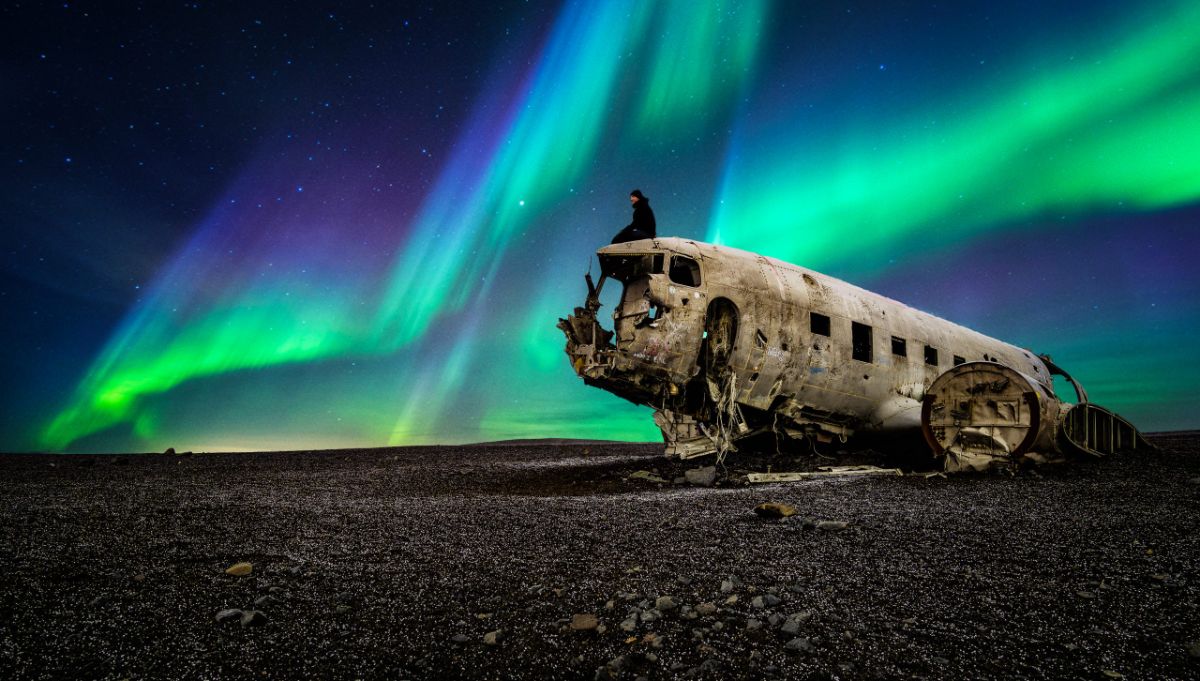
Winter is ice cave season. Natural caves in the Vatnajökull glacier near Skaftafell and Jökulsárlón are typically open from autumn to spring, while the Katla ice cave near Vík can be visited year-round. For a full breakdown of locations, safety and what to wear, read our ice cave and glacier tours guide.
- Crystal Ice Cave Tour from Jökulsárlón
- Vatnajökull Premium Ice Cave Tour
- Katla Ice Cave Tour from Reykjavik if you want a day trip from the capital
- Glacier Truck Ride and Ice Cave Tour on Langjökull
- Langjökull Glacier Snowmobile Tour for a more active day on the ice
Always check the minimum age on each tour page, as it varies between tours.

Hot Springs and Geothermal Baths
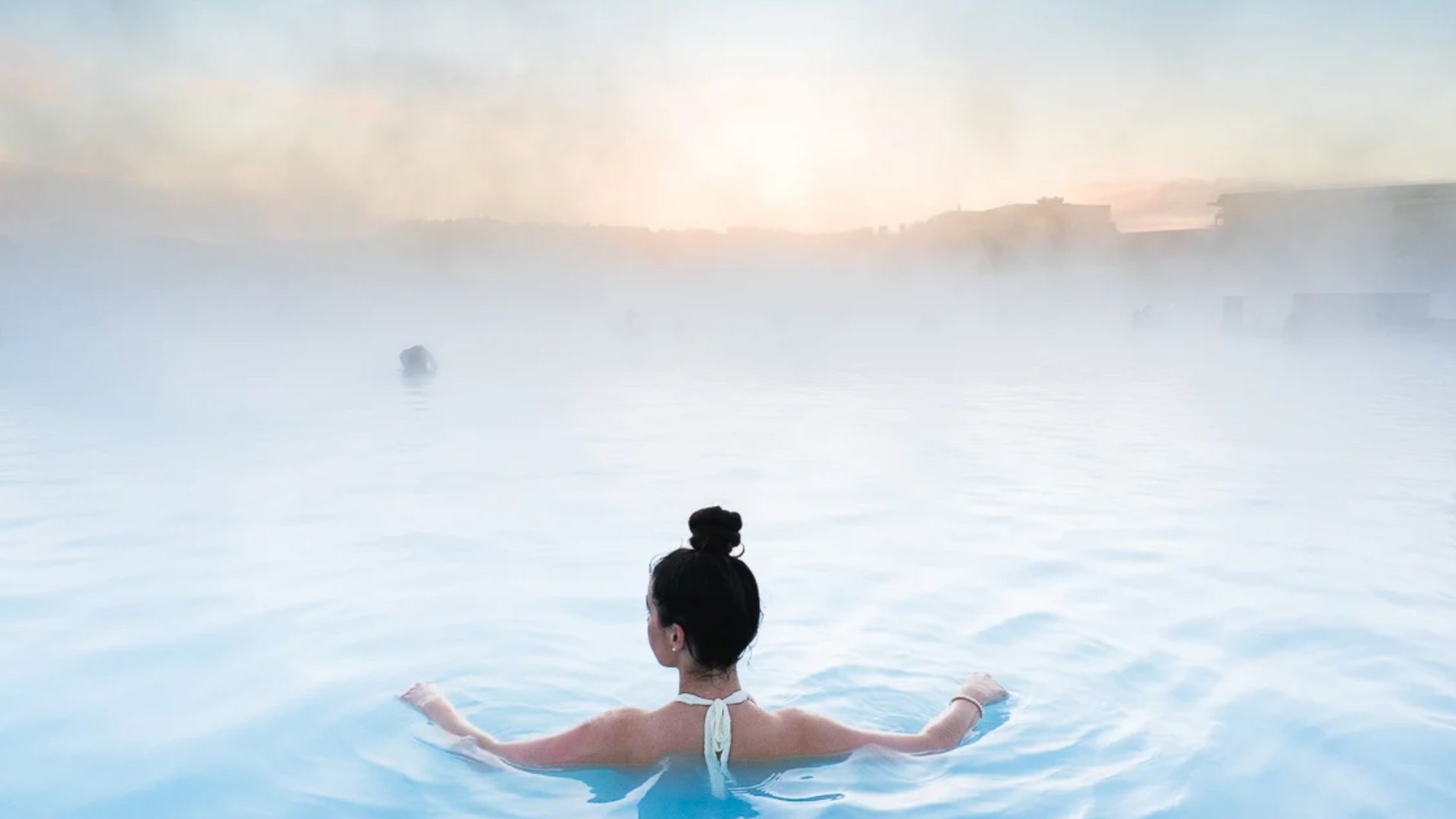
Few things say “Iceland in winter” like sitting in warm water while the air is freezing. Reykjavík and the surrounding areas have baths for every taste:
- Blue Lagoon admission with transfer from Reykjavík for the classic experience
- Sky Lagoon on the coast near Reykjavík
- Secret Lagoon in Flúðir, one of the oldest pools in the country
- Laugarvatn Fontana, Krauma and Hvammsvík for quieter alternatives
The Golden Circle and South Coast in Winter
Both classic routes are open all year. In winter the waterfalls can be framed by ice and the black sand beaches look even more dramatic when snow lies on the ground. Read our complete guides to the Golden Circle and the South Coast, then pick a tour such as the Golden Circle & Secret Lagoon Tour or the South Coast Small Group Tour. Guides adjust the schedule to road and weather conditions, which is one of the big advantages of booking a tour in winter.
Things to Do in Reykjavík on Short Days
When the weather turns, the capital has plenty to offer indoors: the Icelandic Lava Show, the Perlan museum with its indoor ice cave, and guided food and culture walks. In December the Reykjavik Christmas Walking Tour brings Icelandic Yule traditions to life, and on New Year’s Eve you can join the New Year’s Eve celebration at sea.
Winter Driving and Safety
If you plan to drive yourself, treat winter roads seriously. Check road.is (or call 1777) for road conditions and closures, vedur.is for weather and wind, and safetravel.is for travel alerts. Rent a 4×4 with winter tyres, fill the tank before leaving town, keep your headlights on, and slow down. Stay on marked roads, never drive off-road, and obey closure signs. In an emergency call 112. Many visitors find that guided tours take most of the stress out of winter travel. For more general advice read our Iceland travel tips.
What to Pack for Winter in Iceland
- Warm layers: thermal base layer, fleece or wool, and a windproof, waterproof outer jacket and trousers
- Waterproof, sturdy boots with good grip, and warm socks
- Hat, gloves and a scarf or buff
- A swimsuit for the hot springs
- A fully charged phone and a power bank, since batteries drain faster in the cold
Frequently Asked Questions
Is winter a good time to visit Iceland?
Yes, if you want northern lights, ice caves and fewer crowds. Expect short days, changeable weather and the occasional schedule change, and plan flexible time in your itinerary.
Can I see the northern lights in winter?
Winter nights are the best time to try, but sightings are never guaranteed. Book a tour early in your stay so you have spare evenings if the sky is cloudy.
Will tours run in bad weather?
Safety comes first. If conditions are unsafe, a tour may be rescheduled or cancelled. Check the details and cancellation terms on the tour page before you book, or ask our team at info@iat.is.
Which winter month is best?
There is no single best month. November to January gives you the longest dark nights for the aurora but the shortest days, while February and March offer more daylight and still plenty of dark evenings. Choose based on what you most want to see.
Are winter tours suitable for children?
Many are, but age limits vary by tour, so check the minimum age on each tour page.
Ready to Plan Your Winter Trip?
Browse all of our Iceland tours, book online with live availability, or contact our team at info@iat.is if you need help choosing the right winter experiences.