The South Coast is the Golden Circle’s bigger, wilder cousin — two thundering waterfalls you can walk right up to (one of them from behind), a black sand beach with basalt columns and sea stacks, and a glacier that’s calving icebergs a short walk from the road. It’s a longer day than the Golden Circle, but every stop is a genuine showstopper. Here’s what’s actually at each one, how long to budget, and a couple of safety notes that matter more here than almost anywhere else in Iceland.

What’s on the South Coast Route
The “South Coast” usually refers to the stretch of Route 1 running from Reykjavík to Vík (and sometimes on to Jökulsárlón for those with an extra day). The core stops, in order, are:
- Seljalandsfoss — a 60-meter waterfall you can walk behind
- Skógafoss — a wide, powerful waterfall with a climbable staircase to the top
- Sólheimajökull — a glacier tongue where you can join a guided hike or ice climb
- Reynisfjara — Iceland’s most famous black sand beach, with basalt columns and sea stacks
- Dyrhólaey — a dramatic sea arch and cliff viewpoint, home to nesting puffins in summer
- Vík í Mýrdal — the small coastal village that makes a natural turnaround point
Many visitors continuing further east add Jökulsárlón Glacier Lagoon and Diamond Beach, about two hours past Vík — doable as a very long single day, but more comfortable as an overnight trip.
Seljalandsfoss

Seljalandsfoss drops 60 meters over what used to be the coastline before the sea receded, and it’s one of the only waterfalls in Iceland you can walk fully around, passing behind the curtain of water itself. The path behind the falls is often muddy or icy depending on the season, so waterproof shoes are worth having — and expect to get sprayed no matter how careful you are.
A short, easy walk (about 10 minutes) along the cliff face takes you to Gljúfrabúi, a smaller waterfall tucked inside a narrow canyon that most tour buses skip. It’s partly hidden behind a rock wall, so you’ll get your feet wet wading in over stepping stones — but it’s one of the best-kept secrets on the whole route.

Parking at Seljalandsfoss costs around 1,000 ISK, paid via the checkit.is app or at the machine on site.
Skógafoss

About 30 minutes further east, Skógafoss is a different kind of impressive: 25 meters wide and dropping 60 meters in a single, thunderous sheet, with a near-constant rainbow on sunny days. A staircase of a few hundred steps climbs the cliff beside it to a viewing platform at the top, where the Skógá River continues upstream through a canyon dotted with smaller waterfalls if you want to keep walking.
Parking is around 1,000 ISK via the Parka app.
Sólheimajökull Glacier

A short detour off the main road brings you to Sólheimajökull, an outlet glacier of Mýrdalsjökull that’s retreated dramatically over the past few decades — the walk from the car park to the ice is noticeably longer than it was even ten years ago. You can’t safely walk onto the glacier without crampons and a guide, but it’s a striking stop even just from the viewpoint, and one of the most accessible places in Iceland to book a guided glacier hike or ice climbing session on short notice.
Parking is around 750 ISK via the Parka app.
Reynisfjara Black Sand Beach

Reynisfjara is the postcard black sand beach: hexagonal basalt columns stacked like organ pipes, the sea stacks of Reynisdrangar rising offshore, and a cave you can walk into (Hálsanefshellir) framed by the same columns. It’s genuinely one of the most photographed places in Iceland, and it’s also one of the most dangerous if you don’t take it seriously.
Sneaker waves — unpredictable waves that surge much further up the sand than the ones before them — have caused fatalities here, and they’re the reason the beach now operates on a color-coded safety zone system (green, yellow, and red areas marking how close it’s currently safe to get to the water). Storms and shifting tides have also reshaped parts of the shoreline in recent years, so pathways and access can vary; always follow the posted signage and never turn your back on the ocean. Keep a solid distance from the waterline, don’t climb on wet rocks, and don’t go into the cave if waves are reaching it.
Parking costs 750–1,000 ISK depending on which car park you use, via the Parka app.
Dyrhólaey
A few minutes from Reynisfjara, Dyrhólaey is a promontory with a natural sea arch large enough that small boats have sailed through it, plus sweeping views back along the black sand coastline. From around mid-May to late June, the upper cliff area closes (or restricts hours to 9 AM–7 PM) to protect nesting seabirds, including one of the South Coast’s more reliable spots to see puffins — check before you go if you’re visiting in early summer, since exact dates shift with the season.
There’s no entrance fee, only parking (via the Parka app).
Vík í Mýrdal
Vík is the South Coast’s main village and a natural place to stop for food, fuel, or the night. It sits beneath the Mýrdalsjökull ice cap, which covers the active Katla volcano — a fact that gives the black church on the hill above town its dramatic backdrop. If you’re continuing on to a Katla ice cave tour, Vík is usually where those tours meet.
How Long Does the South Coast Take?
Budget a full day (9–11 hours round trip from Reykjavík) if you’re covering Seljalandsfoss through Reynisfjara and Dyrhólaey and want real time at each stop rather than a quick photo. It’s a longer day than the Golden Circle — driving time alone is around 5 hours round trip from Reykjavík to Vík — so start early.
Self-drive or tour? The Ring Road is well-maintained and easy to follow, so self-driving works well in summer. In winter, conditions can change quickly and daylight is short, which is when a guided tour earns its keep — someone else handles the driving and the road checks, and most tours bundle in a glacier walk or ice cave that would otherwise mean arranging a separate booking and meeting point.
Best Time to Visit
- Summer (June–August): Long daylight hours make it possible to see everything without rushing, and it’s the only season you can visit Dyrhólaey’s upper cliffs and reliably spot puffins — but it’s also the busiest time on the route.
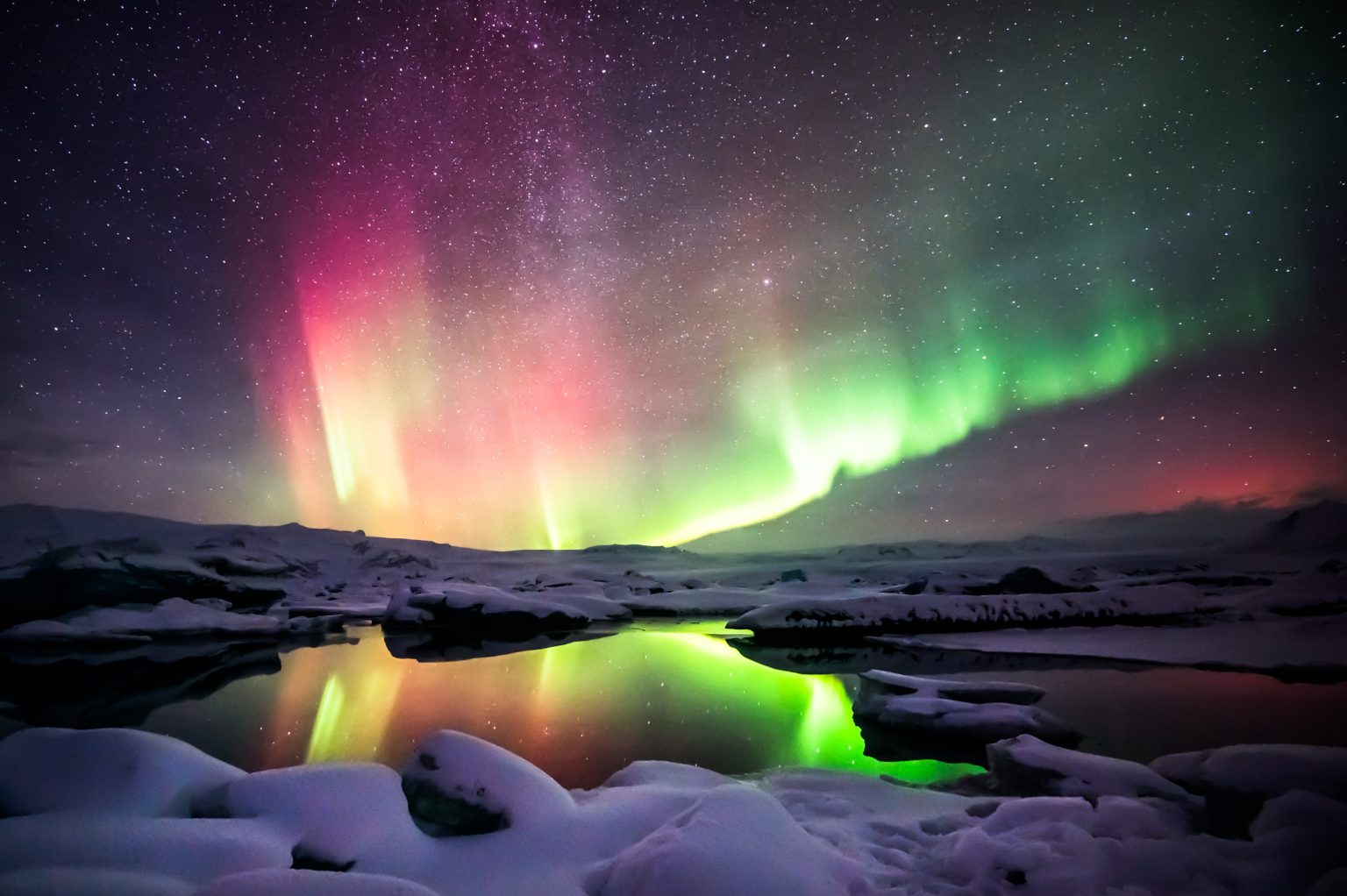
- Winter (November–March): Fewer crowds, dramatic snow-dusted scenery, and a chance at the northern lights on a clear night — plus this is peak season for ice cave tours near Vík. Roads can close in bad weather, so build in flexibility.
- Spring and autumn: Good compromise season — shorter days than summer but noticeably fewer tour buses at each stop.
Frequently Asked Questions
Is the South Coast doable in one day from Reykjavík?
Yes, as far as Vík — Seljalandsfoss, Skógafoss, Reynisfjara, and Dyrhólaey are all comfortably covered in one long day. Going all the way to Jökulsárlón and back in a single day is possible but very long; an overnight makes it far more relaxed.
Is Reynisfjara safe to visit?
Yes, if you follow the safety guidance — stay well back from the water, respect the marked safety zones, and never turn your back on the ocean. Sneaker waves are unpredictable and have caused serious accidents, which is the one rule worth taking seriously here above all others.
Do I need a 4×4 to drive the South Coast?
No — Route 1 to Vík is a paved main road, fine in a regular car in normal summer conditions. A 4×4 becomes more useful (or necessary) in winter, or if you’re heading off the Ring Road toward the Highlands.
What should I combine with the South Coast?
A glacier hike or ice climb at Sólheimajökull, or a Katla ice cave tour from Vík, are the two most popular add-ons — several of our tours bundle one of these in already.
Ready to Explore the South Coast?
If you’d rather skip the planning and logistics, we offer several South Coast tours from our trusted local partners to choose from:
- South Coast Small Group Tour: Waterfalls, Glacier & Black Sand Beach — the classic route covering Seljalandsfoss, Skógafoss, and Reynisfjara
- South Coast and Katla Ice Cave Super Jeep Tour — combines the coastal highlights with a Katla ice cave
- Sólheimajökull Ice Climbing & Glacier Hike — for those who want to get out on the ice itself
- South Coast & Northern Lights Tour — pairs the daytime route with an evening aurora hunt (season permitting)
- 2 Day South Coast & Ice Cave Tour — for a more relaxed pace with an overnight included
All depart from Reykjavík with small groups and an experienced local guide.